Seasons
The year here is told by the land, not by a calendar.
Nobody harvests the corn on a date
Nobody harvests the corn on a particular day. They harvest it when the corn is ripe, not before and not after.
Denmark still keeps its year that way. Spring begins når bøgen springer ud, when the beech comes out, which is a week in late April or early May and never the same week twice. The first Samsø potatoes are auctioned when they are ready and fetch absurd prices for it. Snowdrops coming up through frozen ground is what sets the paper letters going.
None of that is folklore kept for the tourists. It is how a modern country actually tells the time, and it works because it describes something that happens rather than something on a page.
The year turns on water
Here the year turns on water rather than cold.
The first rain comes in late summer and it is the sign that fall is on the way. Nothing looks different for months. The rain soaks in, the creeks come back, and the answer arrives in spring, when the hills go green and the lupine covers them.
That is why the emptiest month here is October and not January. October is the end of the drought. By January the manzanita is already open and the chaparral currant has been flowering since late October, in a month most people would call the dead of winter.
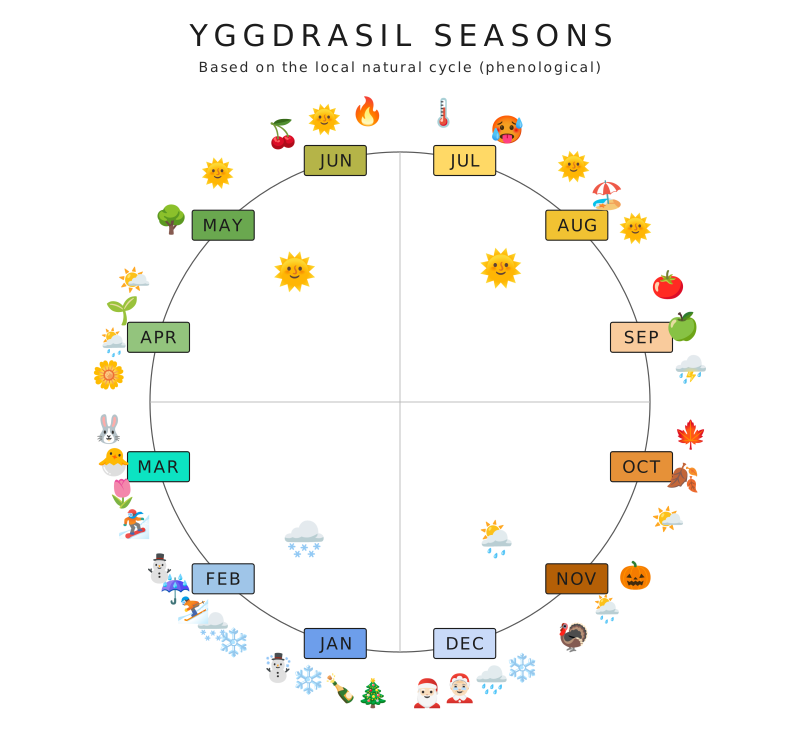
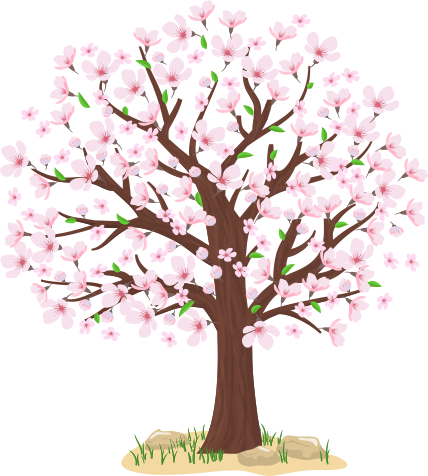
The year as this land keeps it. Midsummer at the top, midwinter at the bottom, and the months running round with what happens in them.
The black oak keeps the year
One tree keeps the whole year, and it is the black oak.
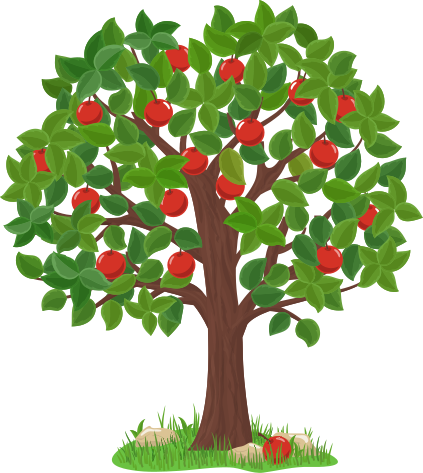
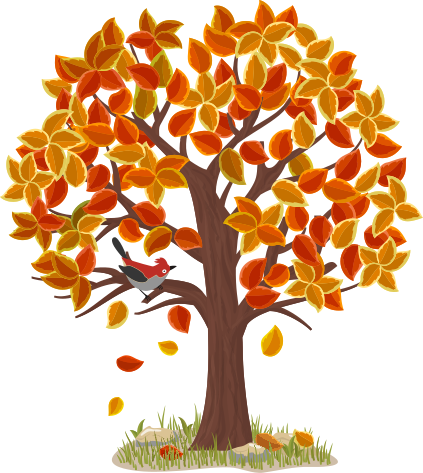
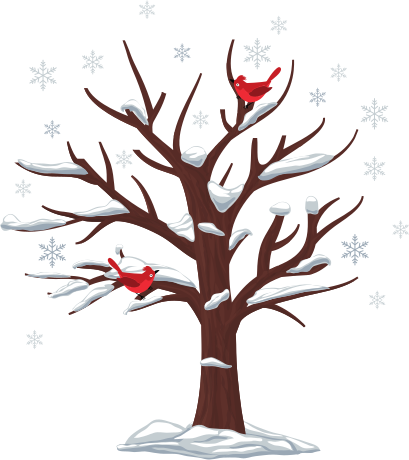
Buds breaking is spring. Full green is summer. Yellow leaves are fall. Bare branches are winter. Four states, one tree, and no date needed for any of them.
And the rest of it
The hills go gold in summer. Not harvest gold: the grass is dormant and the dry season has arrived. Anyone who grew up where summer is green reads that color backwards.
Green hills and lupine are spring, and the growing season is short and violent when it comes.
Acorns and buckeye on the ground are fall, with the black oak turning over them.
The frogs sing. They were singing on August 30, and had been since spring. When they start has not been written down here yet.
And the fog fills the valley in the mornings. In Denmark that is mosekonen brygger, the Marsh Wife brewing. The Bog Woman is a place on this land, down at the bottom, and this is what she does.
Three calendars, three answers
Three official calendars disagree about when summer starts, which is the quiet argument for not using any of them.
The astronomical year cuts at the solstices and equinoxes, so summer begins on June 21. The meteorological year uses whole months for the sake of record-keeping, so summer begins on June 1. The United States, in ordinary use, follows the astronomical one and then talks about summer starting at Memorial Day anyway.
Each of them draws a hard line on a fixed day. The land does not.
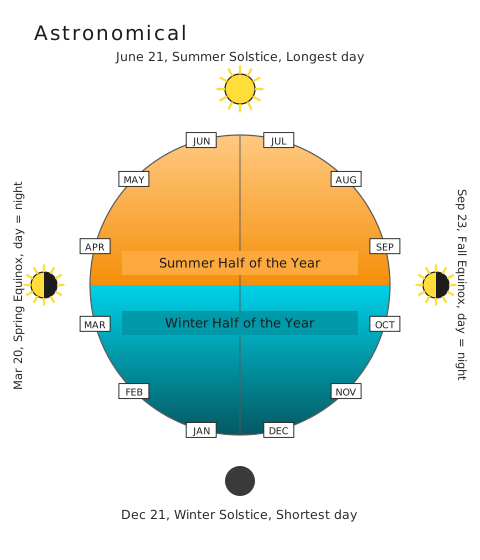
Astronomical: solstice to solstice
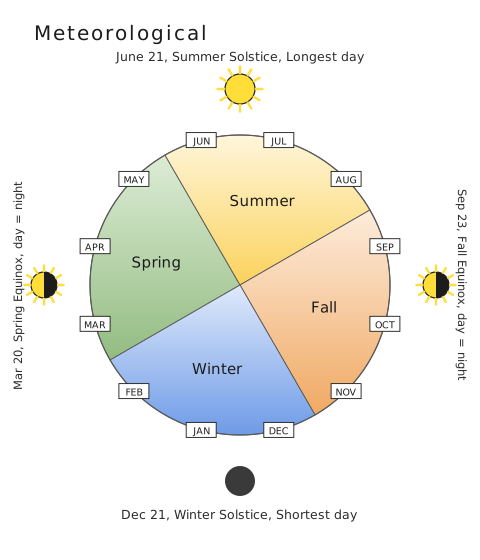
Meteorological: whole months
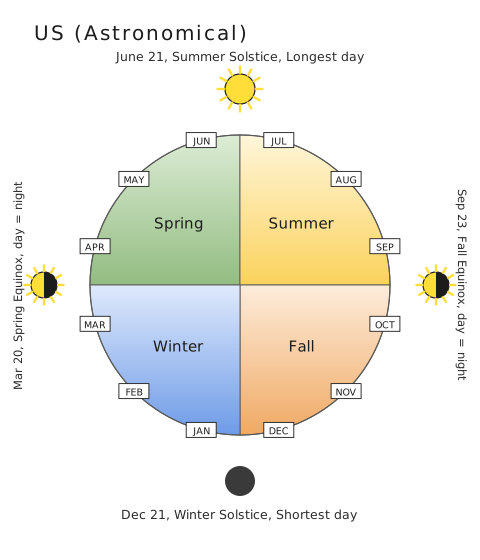
United States, in ordinary use
What the numbers say
For the record, and because the figures on this site are meant to be checkable: average daily low and high, in Celsius, from the NOAA 1991 to 2020 normals, interpolated between the two official stations that bracket this elevation.
| | Jan | Feb | Mar | Apr | May | Jun | Jul | Aug | Sep | Oct | Nov | Dec |
|---|---|---|---|---|---|---|---|---|---|---|---|---|
| Low | 0 | 0 | 2 | 4 | 7 | 10 | 14 | 13 | 10 | 6 | 2 | 0 |
| High | 12 | 14 | 16 | 19 | 24 | 29 | 33 | 33 | 30 | 24 | 16 | 12 |
Those are averages and they hide the thing worth knowing. On September 6, 2022 the stations near this elevation recorded their hottest reading ever taken, in September, beating July. The land is at 2,300 feet in USDA hardiness zone 9a, which means the coldest night of a typical year falls between 20 and 25F. It has been colder than that. A zone is an average of thirty years of coldest nights, not a promise about the worst one.