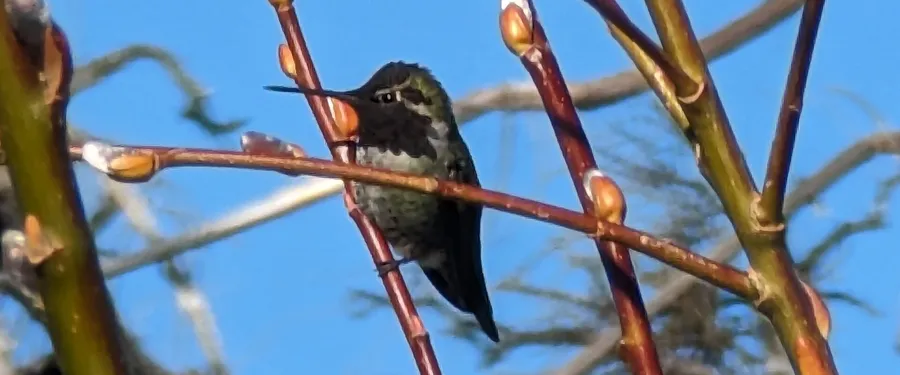
Anna's hummingbird
It does not migrate. That single fact is why the winter-flowering shrubs on this land matter.
In brief
Calypte anna, Trochilidae, order Apodiformes.
- Resident every month of the year
- Native to the Pacific slope of North America
- Eats nectar, small insects and tree sap
Where it lives
The Pacific coast from Baja California to British Columbia. Over the last century it has spread north and inland, following gardens, feeders and planted eucalyptus.
When you see it
Every month. It is the only hummingbird that winters this far north in any numbers, and it holds territory through the cold.
What it eats
Nectar, small insects caught in flight, and sap from wells that sapsuckers drill in tree bark.
Here
Photographed on January 11, 2021 feeding at chaparral currant, and again on January 31, 2023. A hummingbird in January needs flowers in January, and that is the connection that ties the fauna here to the flora: the currant and the manzanita are not decoration, they are the food supply.
The only hummingbird that stays
Four hummingbirds are regular in the Sierra Nevada foothills. Three of them are in Mexico by December.
Anna's does not go anywhere: it holds a territory through frost at 2,300 feet, and it sings in January.
The Motherlode foothills are mild for the elevation, and the bird knows it.
René Lesson named it in 1829 for Anna Masséna, Duchess of Rivoli.
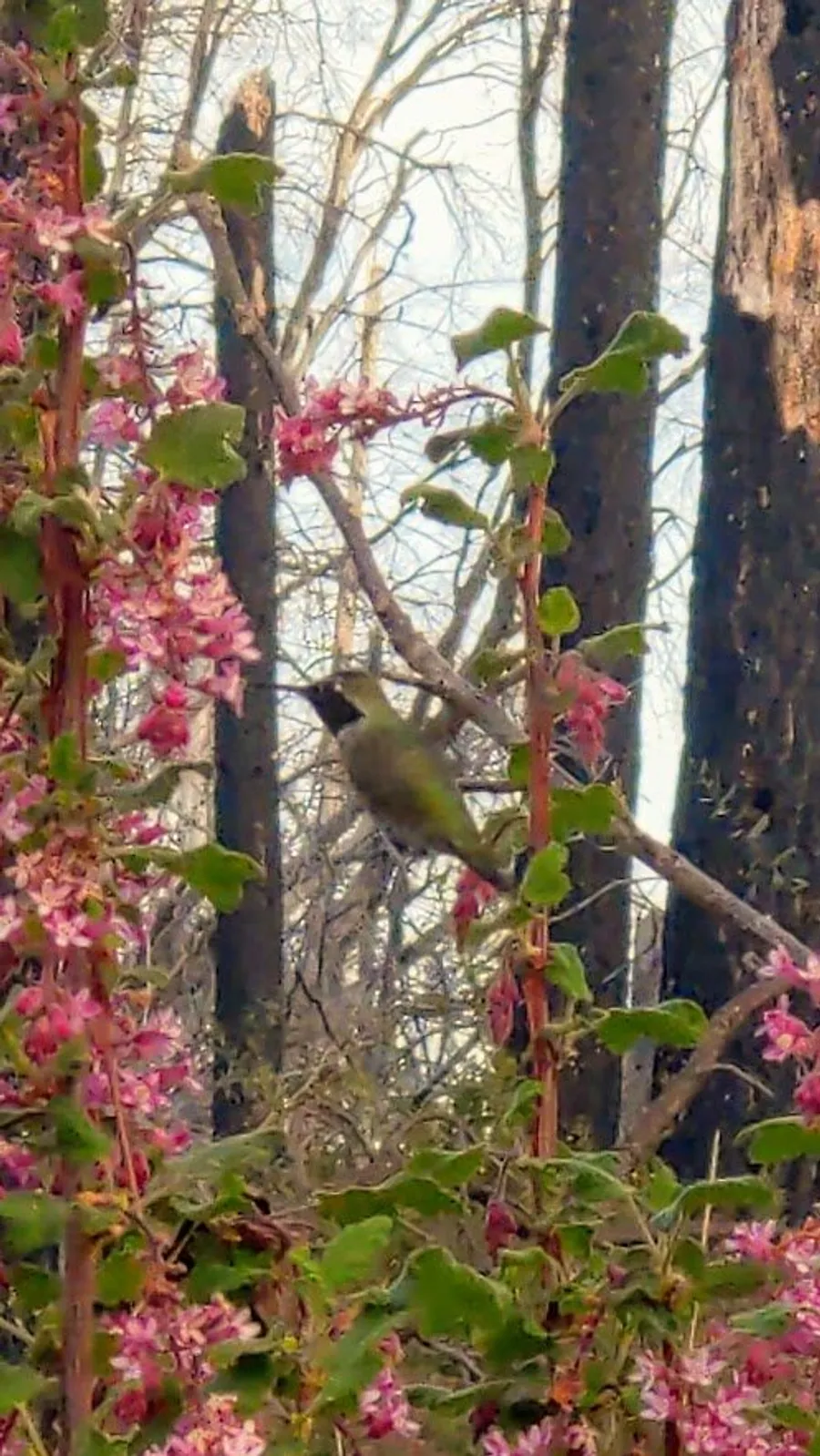
What it drinks in January
The currant is the whole argument. A bird that does not migrate has to eat every day of the year, and in January almost nothing on this land is open. Chaparral currant flowers from late October, which is why the two of them are photographed together.
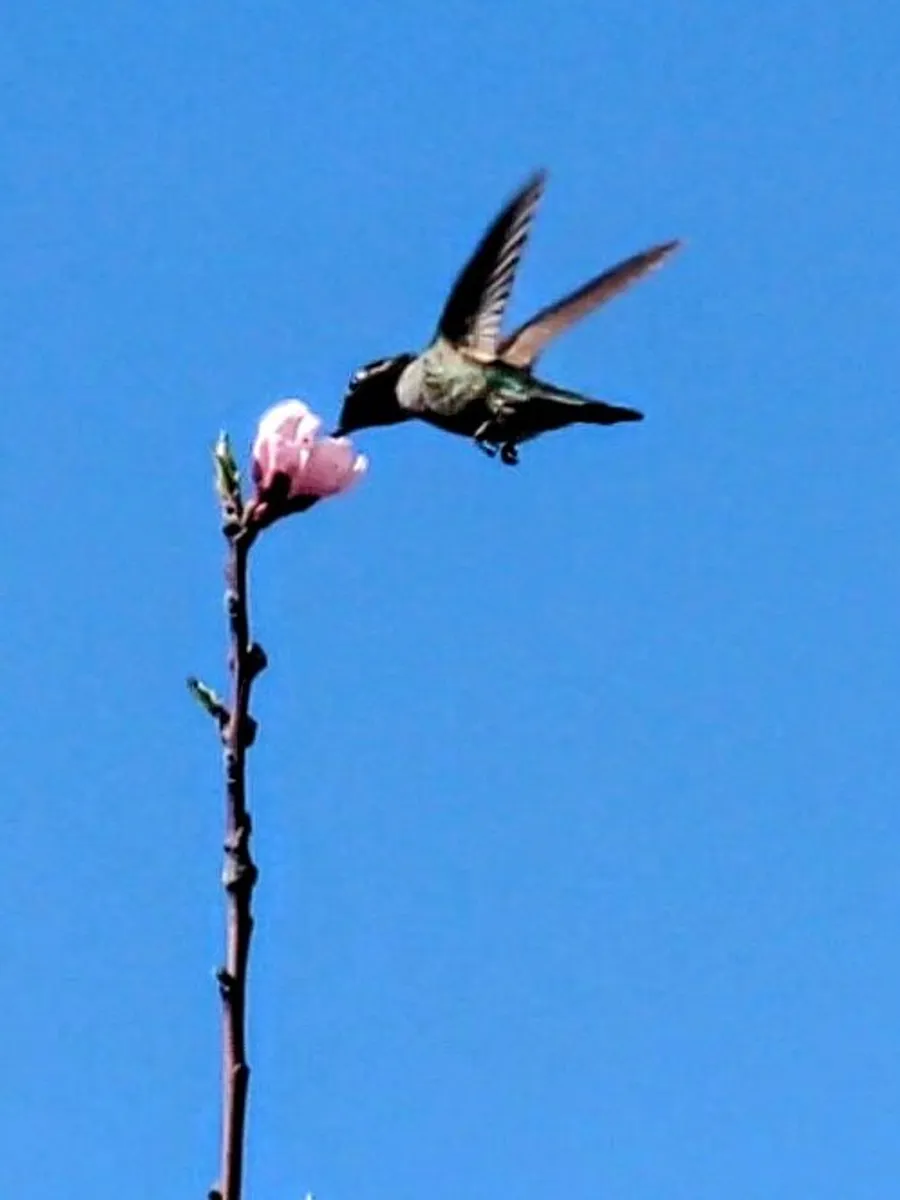
And in April
By spring the orchard has taken over. This one is working a cherry bloom, which is the same trade the honey bees are making a few weeks later.
By Yggdrasil Springs
Next in the series
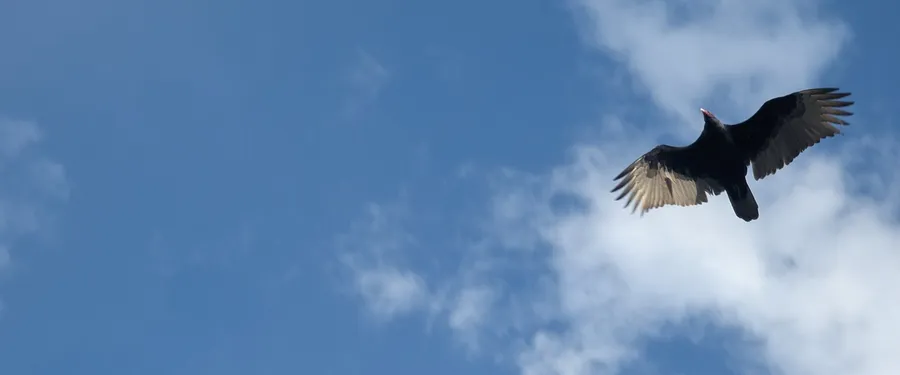
Turkey vulture
One of the very few birds that can smell. It finds carrion under a closed forest canopy, from the air.
2026-08-28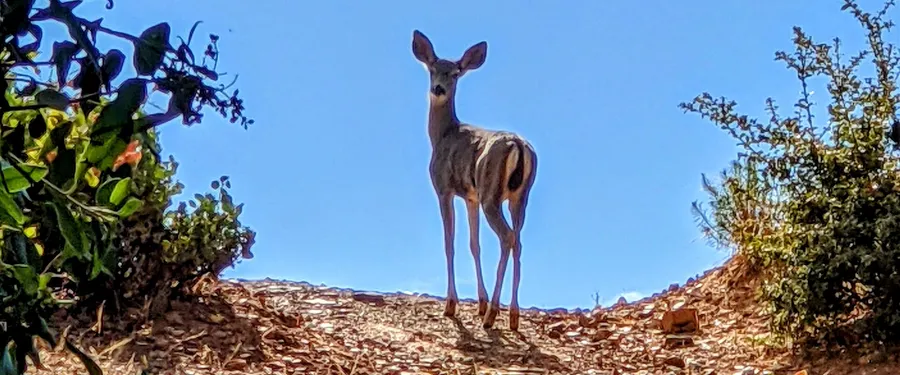
Mule deer
The most numerous large animal on the land, and the reason the mountain lion comes through.
2026-08-28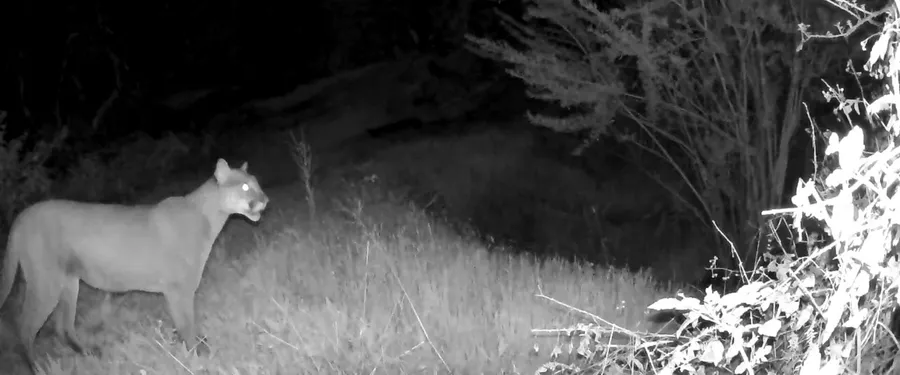
Mountain lion
The cameras catch it through the year. Once in five years, in daylight.
2026-08-28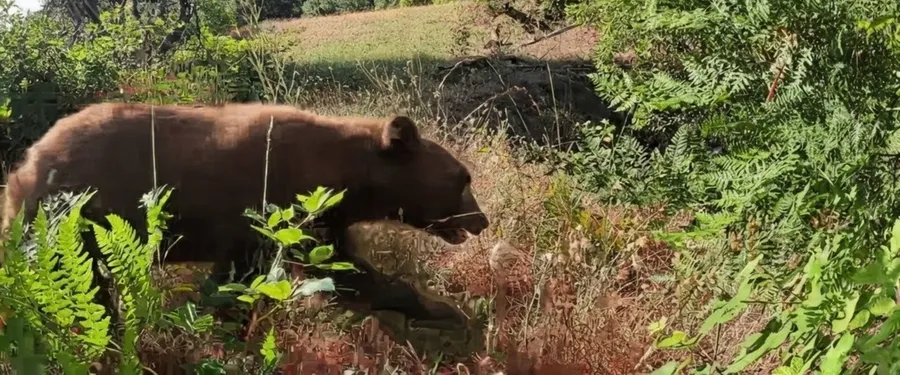
Black bear
The only bear left in California, on a flag that still shows the other one.
2026-08-28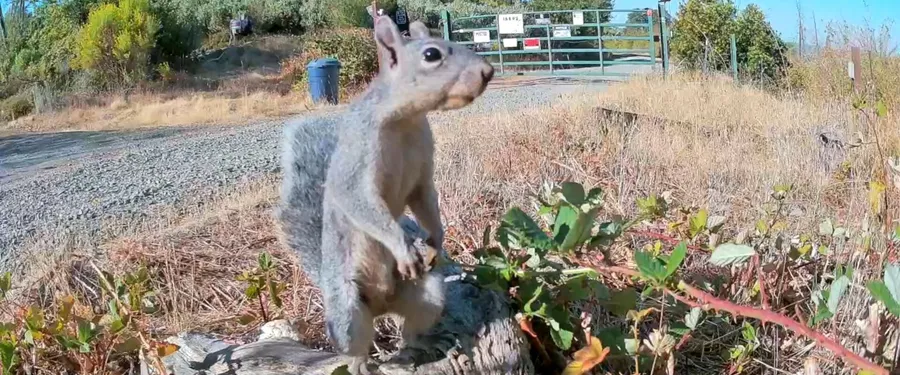
Western grey squirrel
It buries more acorns than it digs up again, which is one of the ways an oak woodland plants itself.
2026-08-28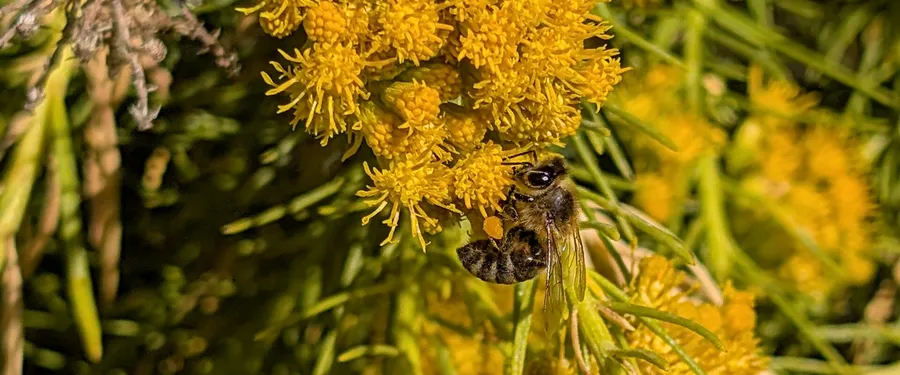
Western honey bee
Honey is made on this property. Worth being straight about the bee that makes it: it is not from here.
2026-08-28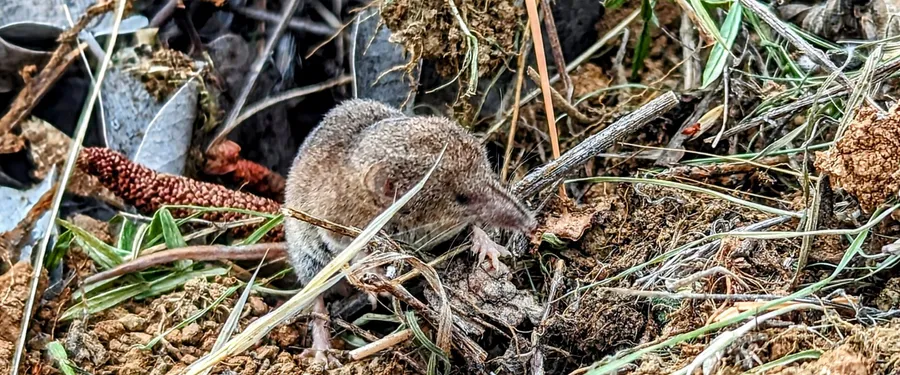
Shrew
Not a mouse and not a rodent: an insectivore with a heart past 700 beats a minute and a few hours of tolerance for an empty stomach.
2026-08-28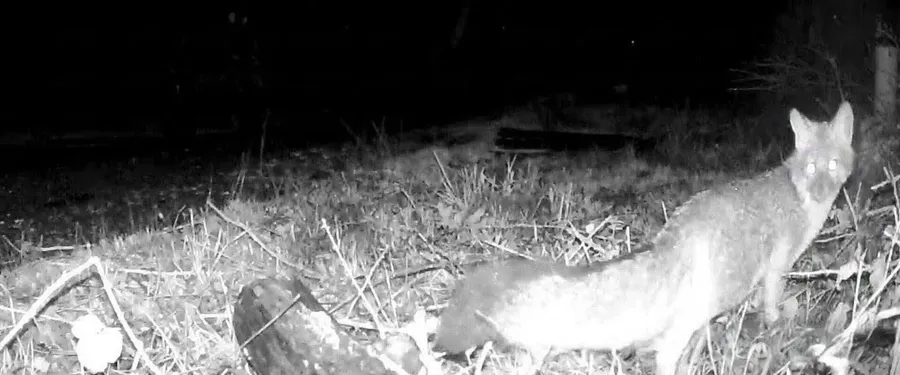
Grey fox
The only dog in the Americas that climbs trees, and it does it to get away from the other dogs.
2026-08-28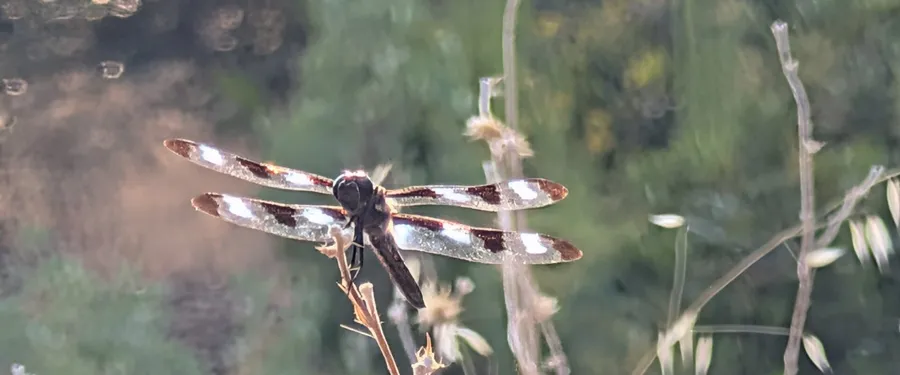
Twelve-spotted skimmer
Three black spots on each wing, and the white ones between them mean it is a male.
2026-08-28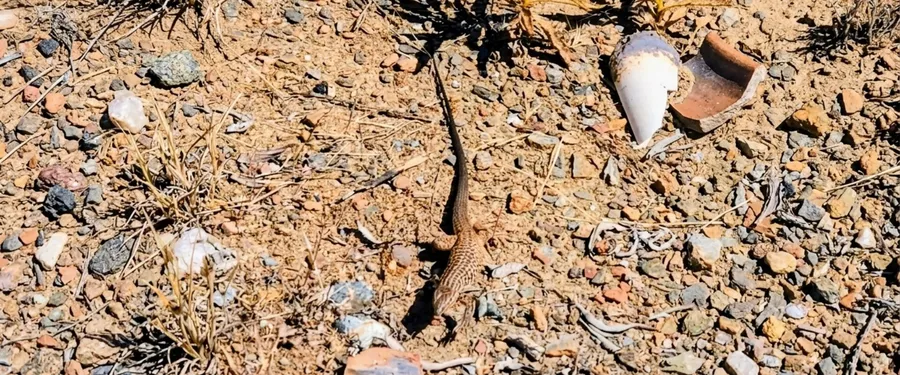
California whiptail
Out on open gravel at midday in August, which is when the other lizards here have gone under a rock.
2026-08-28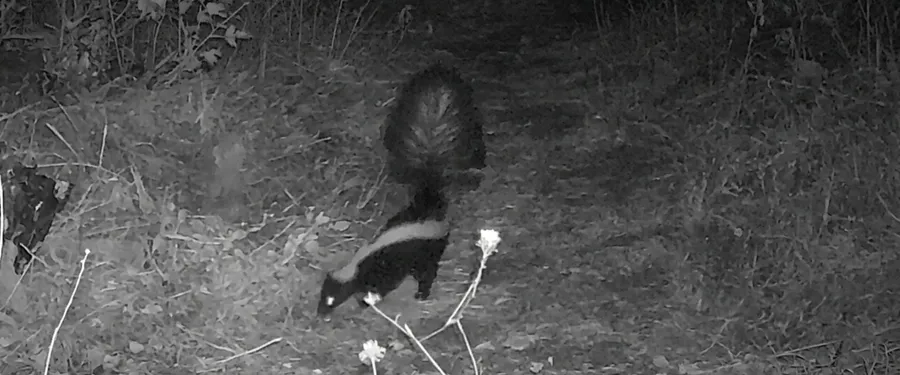
Striped skunk
Tail up is a warning, not a shot. It carries enough for five or six and needs more than a week to make more.
2026-08-28Other articles
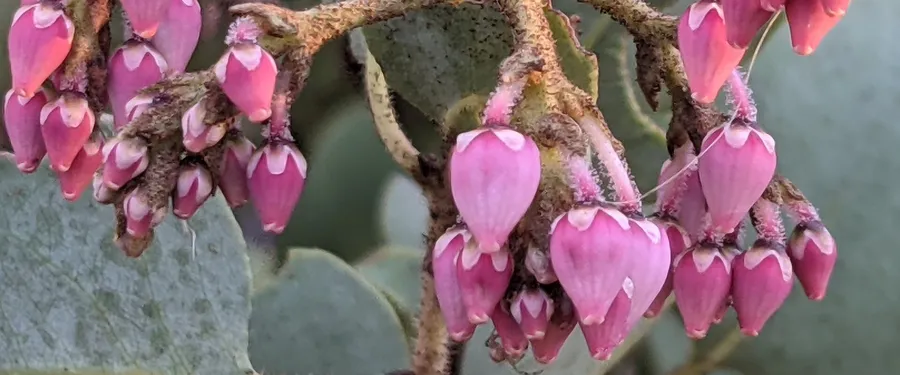
Whiteleaf manzanita
The first thing in flower here, and often the only thing. Pink urns in January, on a shrub that peels itself red.
2026-08-28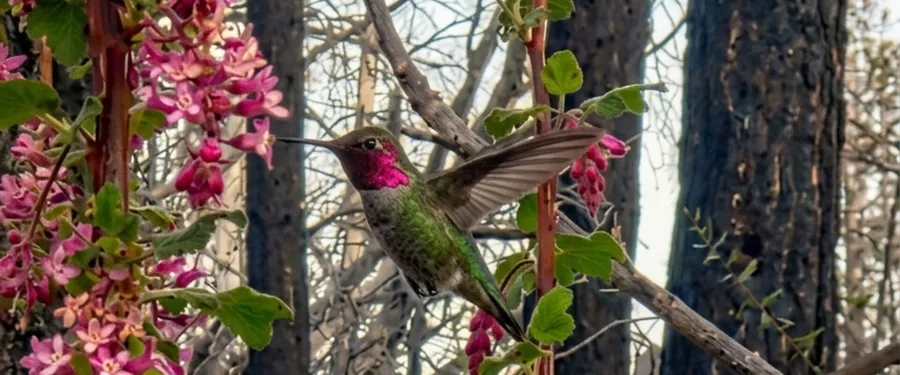
Chaparral currant
It flowers when nothing else does. That is the whole point of it, and it is why the hummingbirds stay.
2026-08-28Golden fleece
The Butte Fire made this plant's decade. It came up through the burn and it is now one of the commonest shrubs on the land.
2026-08-28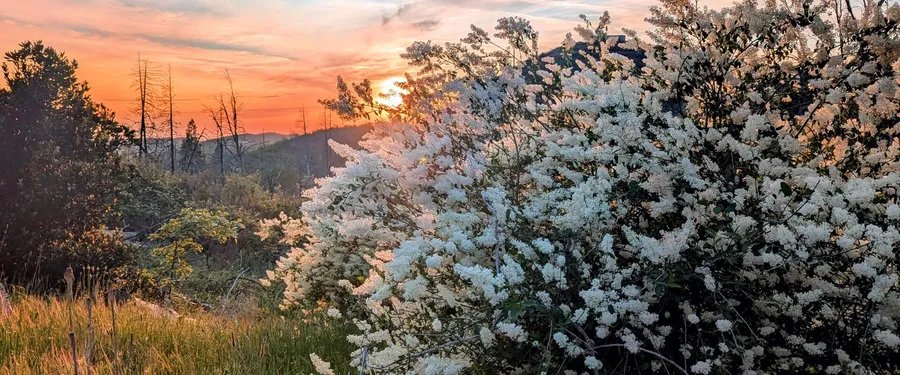
Deer brush
Cream plumes over the whole hillside in April, and seed that can wait decades in the ground for the next fire.
2026-08-28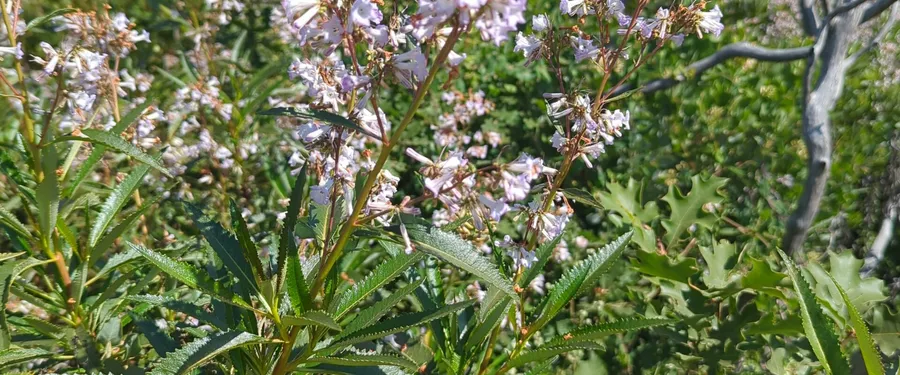
Yerba santa
Sticky, resinous, and named holy herb by people who used it for a cough long before anyone wrote it down.
2026-08-28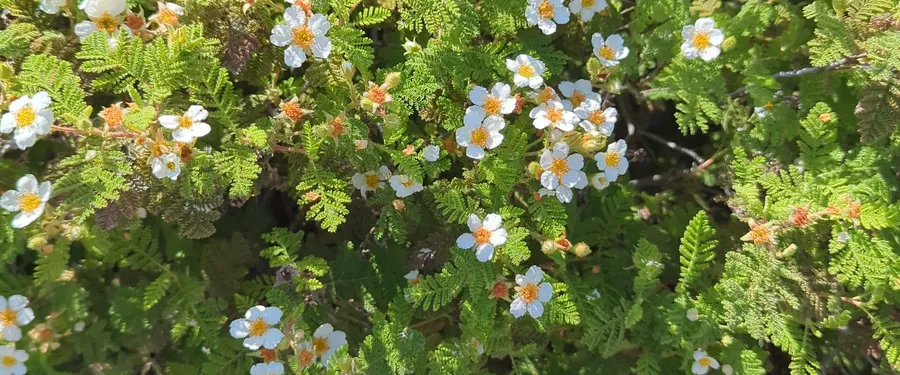
Mountain misery
Ankle-deep fern-like mats under the oaks, white rose flowers, and a resin that sticks to everything that walks through it.
2026-08-28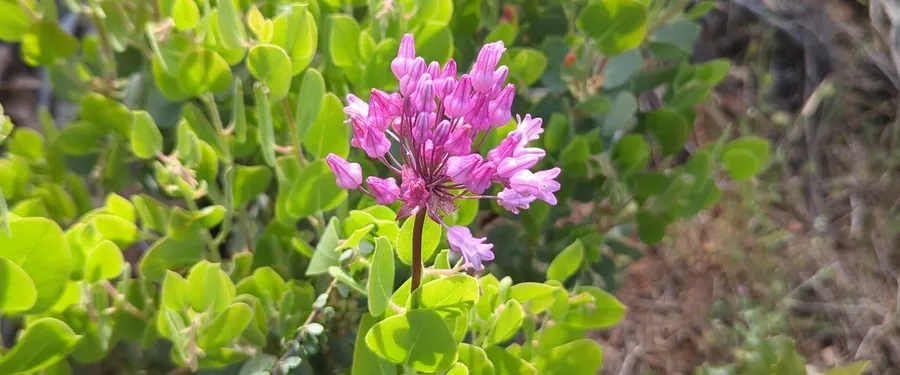
Twining snakelily
The only snakelily that climbs. It uses the shrub next to it to get its flowers up into the light.
2026-08-28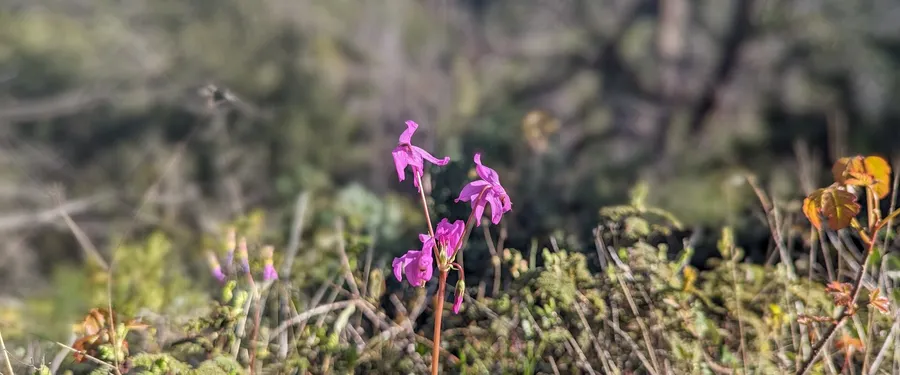
Shooting star
Swept-back magenta petals on a bare stalk. The shape is not decoration: it is a set of instructions for a bumblebee.
2026-08-28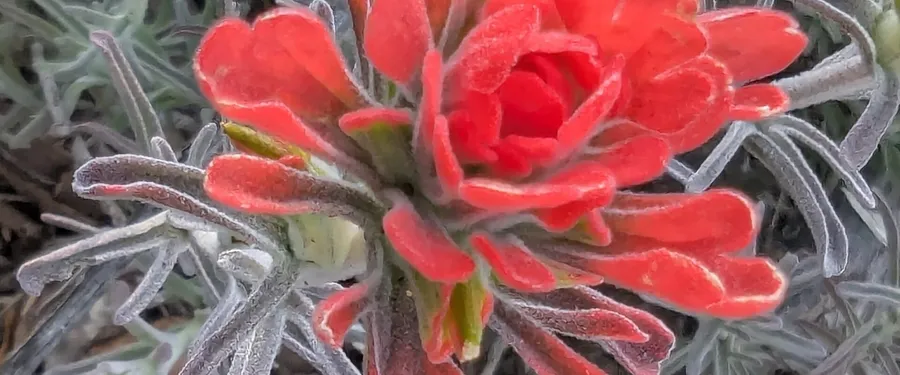
Woolly Indian paintbrush
The red is not petals, and the plant is not feeding itself. Both facts take some getting used to.
2026-08-28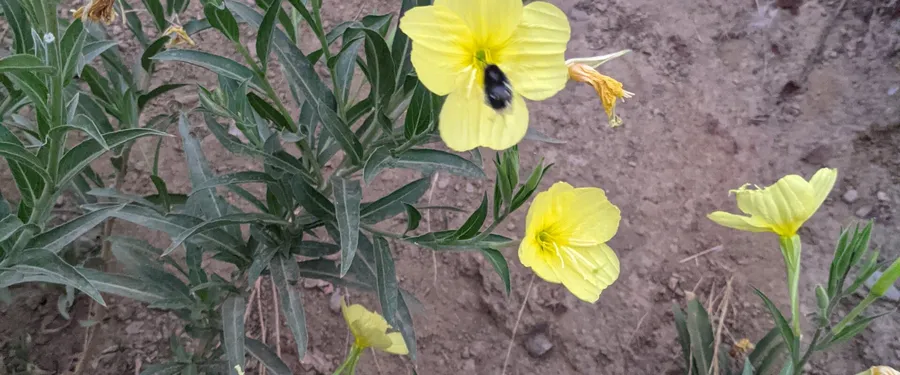
Yellow evening primrose
Opens at dusk, worked by moths in the dark, and orange and collapsed by the next afternoon.
2026-08-28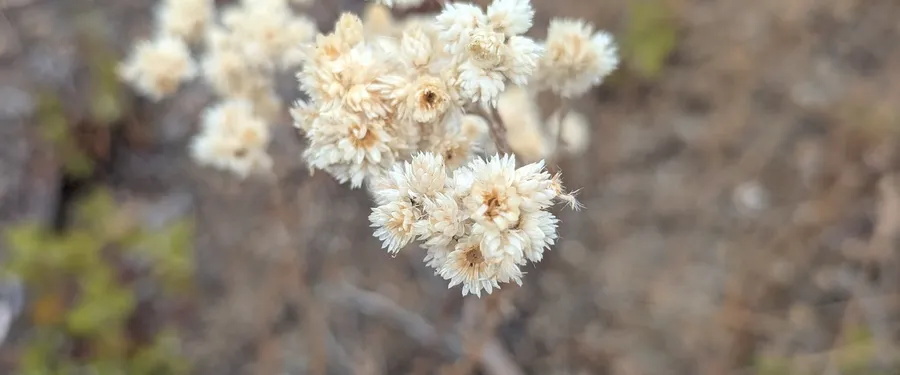
California everlasting
Papery whether it is flowering or setting seed, which makes it the hardest plant here to date honestly.
2026-08-28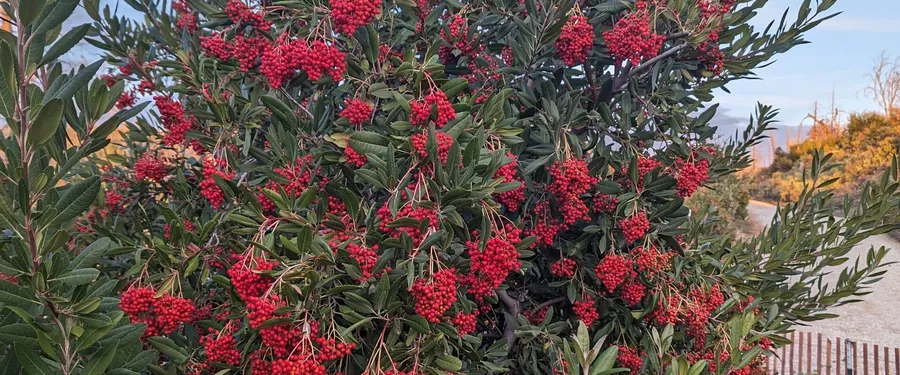
Toyon
White flowers in June that nobody looks at, and red berries in December that everybody does.
2026-08-28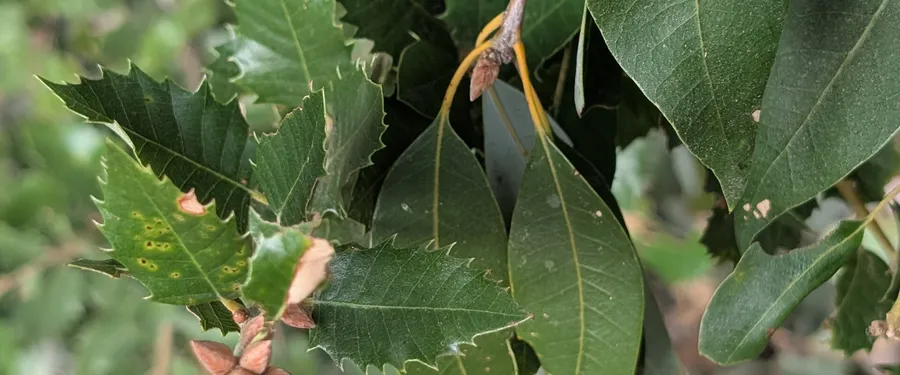
Canyon live oak
One tree that looks like two, and an acorn cup that settles the argument in about ten seconds.
2026-08-28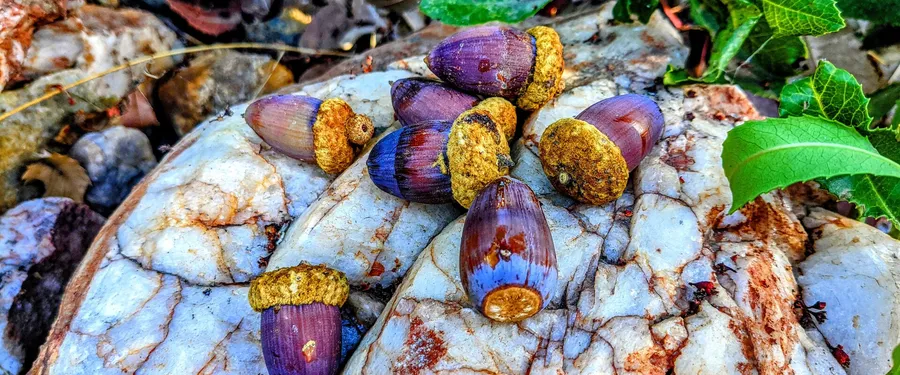
The blue acorns
They are not from a blue oak. Almost every source asked about them says otherwise, and almost every source is wrong.
2026-08-28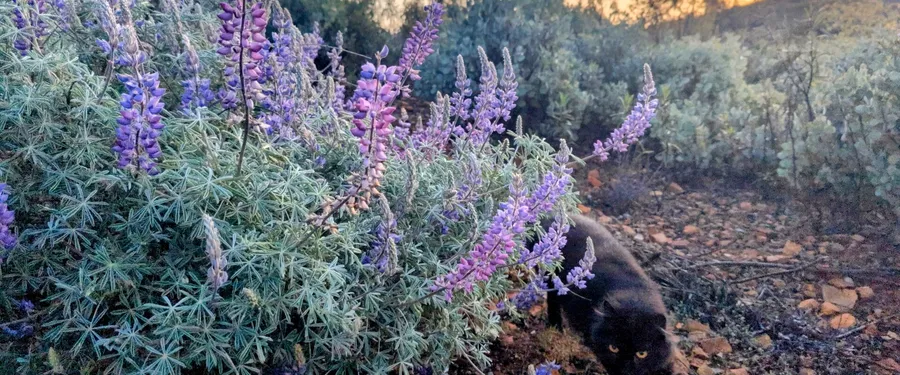
Silver bush lupine
The tall lupine: a woody, silver-leaved shrub to about 150 cm, holding violet spikes above the burn.
2026-08-28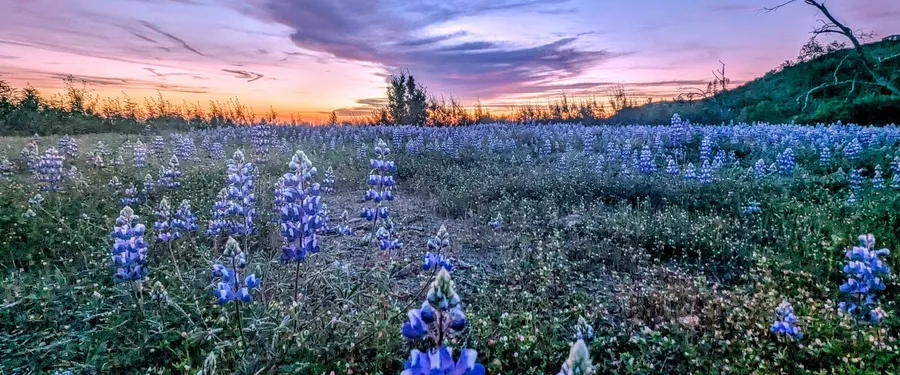
Sky lupine
The short lupine: an annual, ankle high, that turns a whole hillside blue for about three weeks in April.
2026-08-28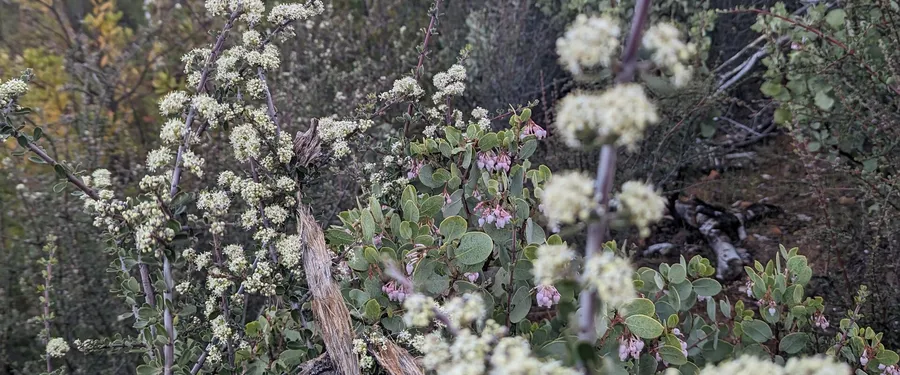
Buckbrush
The other ceanothus. Stiff, grey, wedge-leaved and evergreen, and it flowers a month before deer brush.
2026-08-28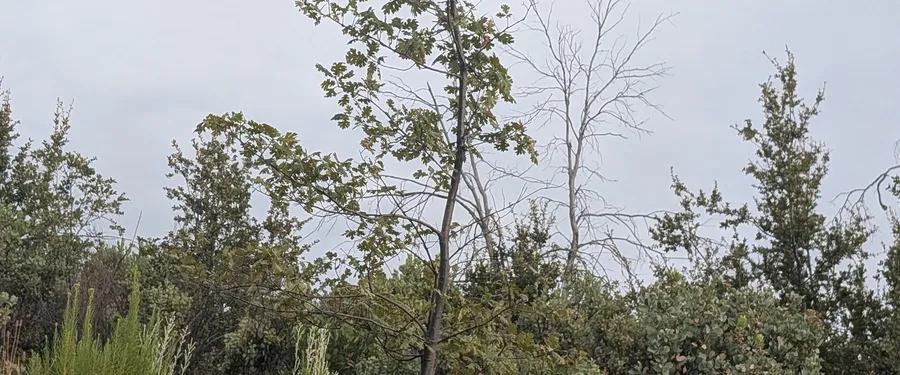
Black oak
The tree the Sentinels are. It is also the one that comes back from the root after a fire that killed everything above ground.
2026-08-28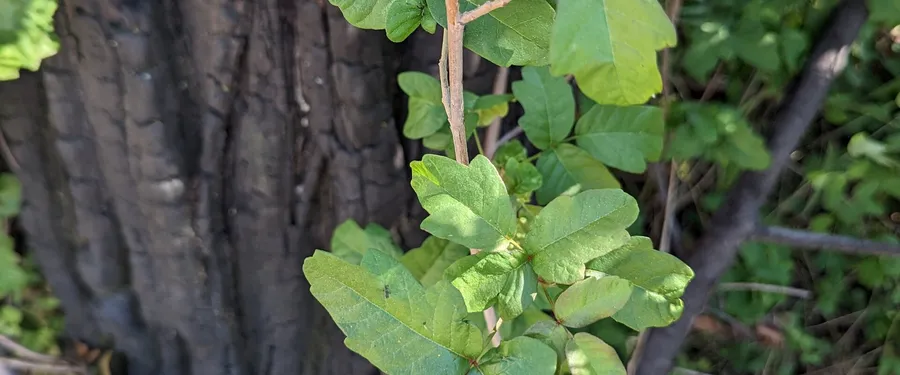
Poison oak
It is not an oak, it is not always a shrub, and it does not always have green leaves. The one thing that never changes is the three.
2026-08-28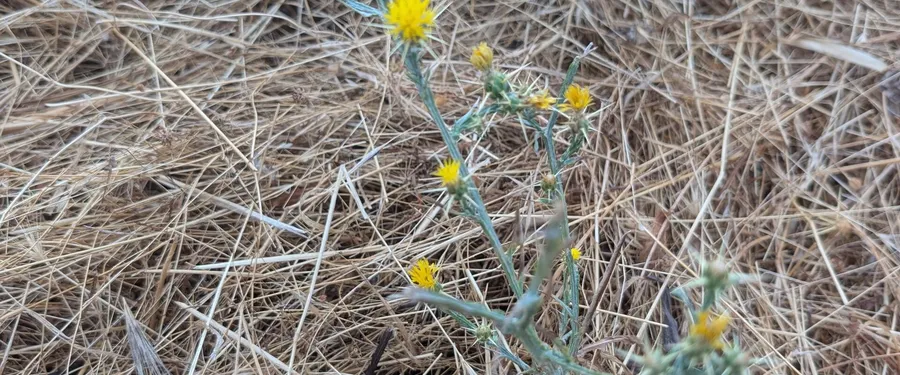
Yellow starthistle
Not a thistle, not from here, and fatal to horses. This one is a problem to be managed rather than a plant to admire.
2026-08-28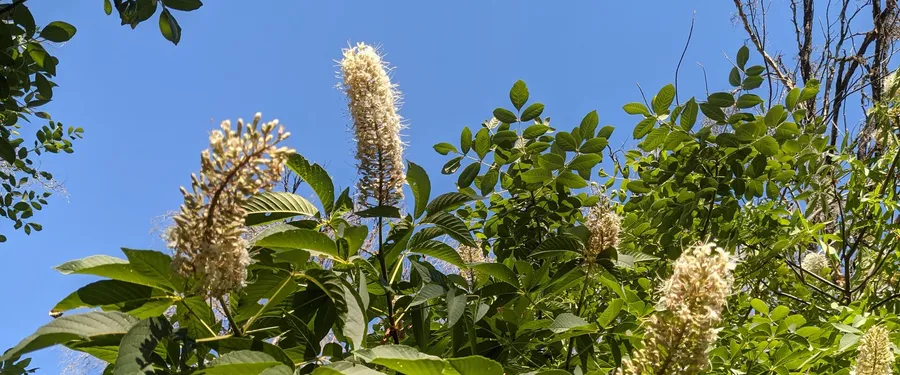
California buckeye
It drops its leaves in August, not November. The falls are named for it.
2026-08-28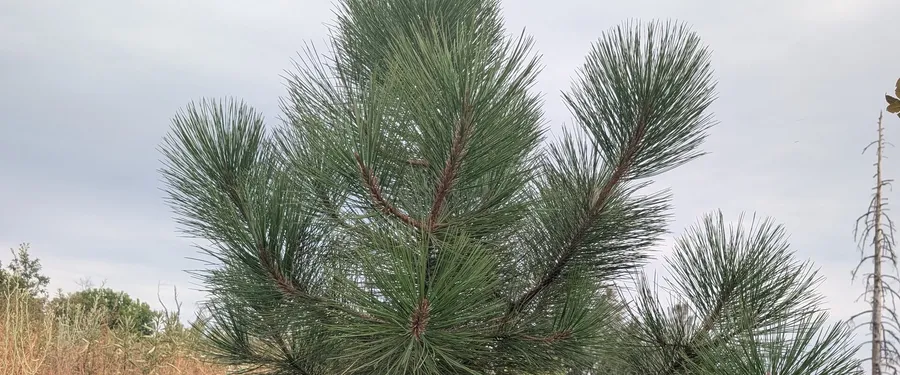
Ponderosa pine
Needles in threes, and bark that smells of vanilla in the afternoon sun.
2026-08-28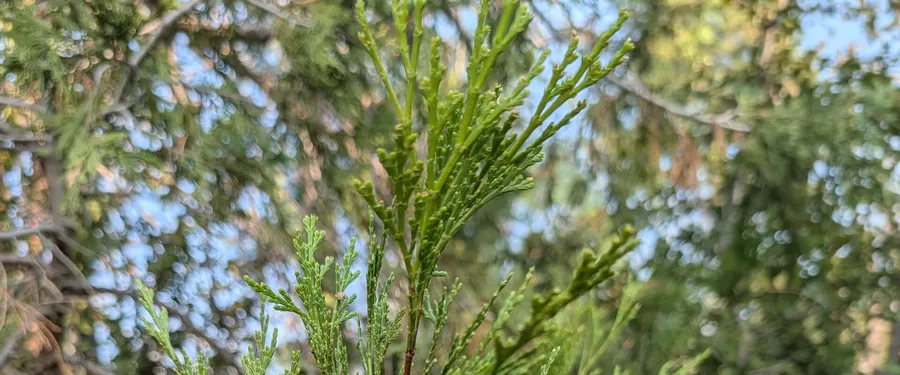
Incense cedar
Not a cedar. The flat sprays are the field mark, and pencils are made of it.
2026-08-28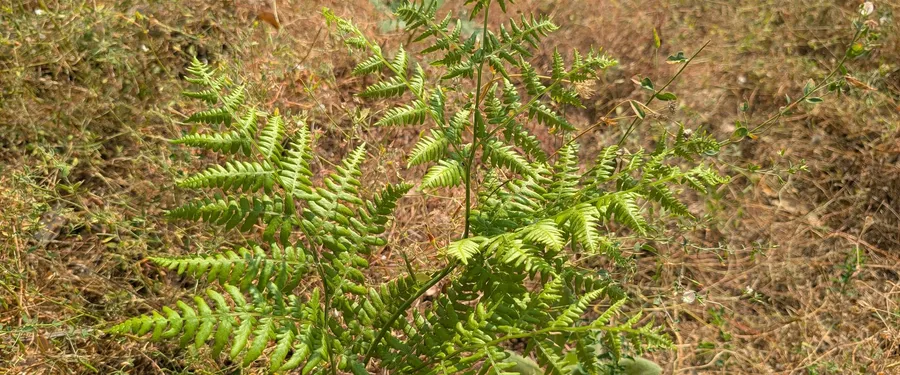
Western bracken fern
One of the most widely distributed plants on earth, and it stands green in dry grass in August.
2026-08-28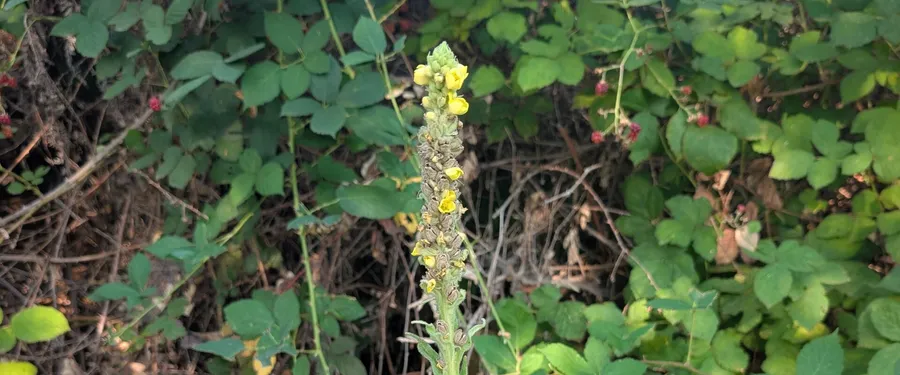
Common mullein
Not from here. A rosette of felt one year, a two-meter spike the next, and then it is dead.
2026-08-28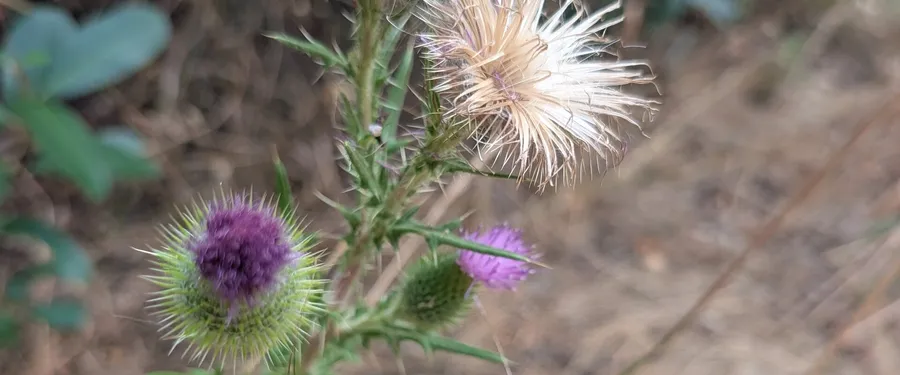
Bull thistle
Not from here, and the spiny wings running down the stem are what name it.
2026-08-28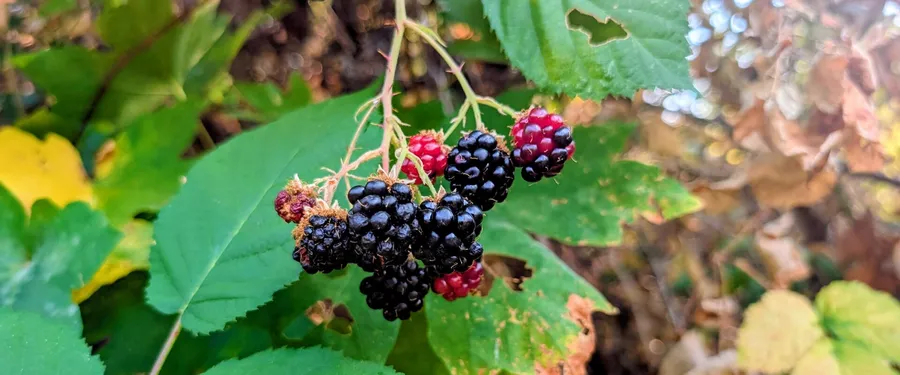
Himalayan blackberry
Not from here, and not going anywhere. The fruit is the reason the fox and the bear come through.
2026-08-28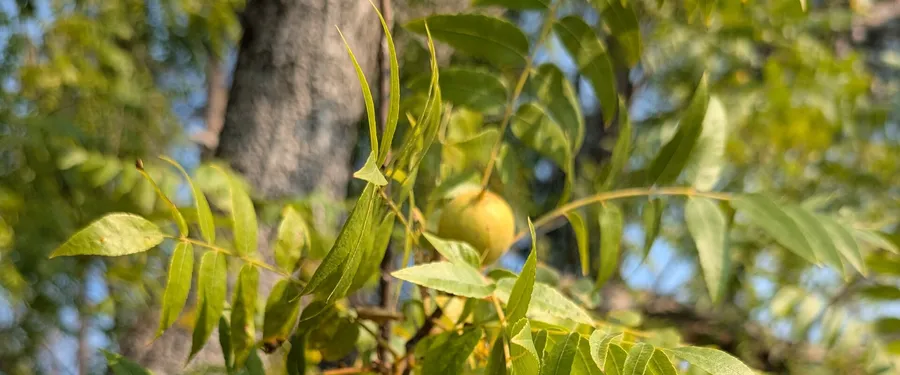
Northern California black walnut
Native to California, and almost certainly standing here because somebody planted it.
2026-08-28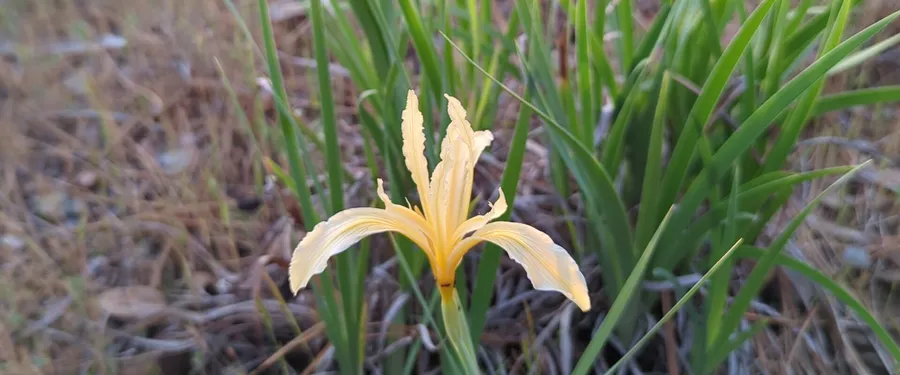
Sierra iris
Pale yellow, low in the dry grass, and it grows nowhere outside California.
2026-08-28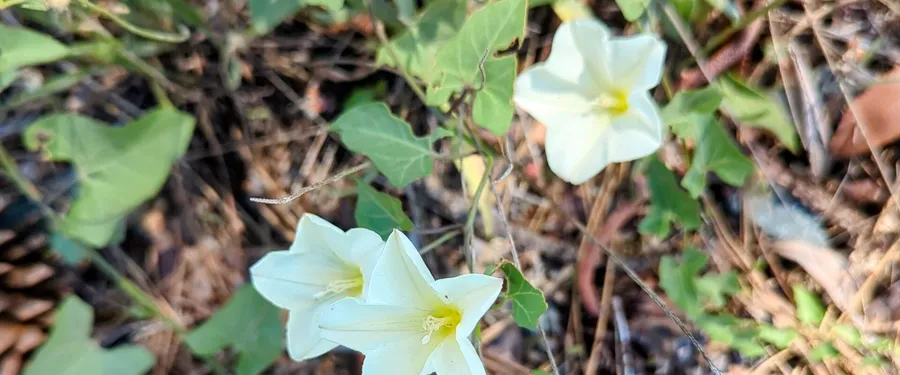
White morning glory
A native vine with a flower twice the size of the introduced bindweed it gets mistaken for.
2026-08-28